
The Great Family Battle of the Teacup Collection
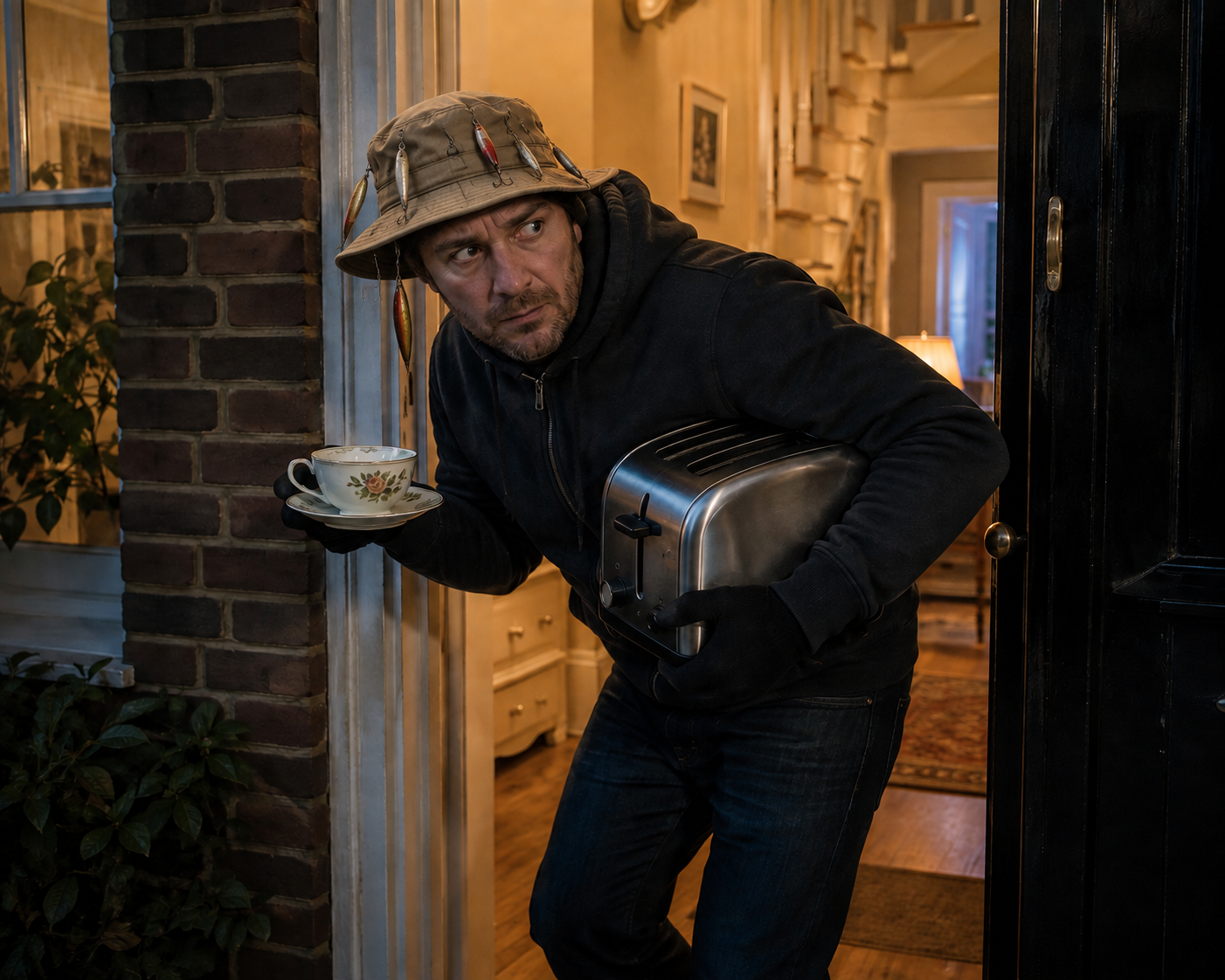
When people think about Wills, they usually focus on the big-ticket items: the house, the money, the vintage Jaguar nobody was allowed to touch.
But seasoned estate lawyers know the real chaos often starts over sentimental items; not the expensive things, but the emotionally dangerous things.
Like Nana’s teacup collection. Dad’s fishing hat. The terrifying porcelain clown nobody actually wants but everyone feels guilty throwing away.
Sentimental items have an astonishing ability to turn otherwise reasonable adults into emotional auction bidders:
“I don’t care about the money — I just want the hall lamp.”
Without clear instructions, families are left to negotiate who inherits decades of memories and mysterious old furniture with “special meaning.”
A well-drafted Will can save everyone from a post-funeral episode of Antiques Roadshow: Estate Litigation Edition. You can:
specifically gift sentimental items in your Will (which is the best method),
leave written wishes (but these are generally not binding),
rotate items among family members (but this requires family cooperation); or
label possessions before death to avoid future debates over “the good crystal.”
The key is understanding that emotional value rarely matches market value. The old dining table worth $200 at auction may be priceless to three siblings and completely unwanted by the fourth.
Good estate planning recognises this simple truth:
People rarely fight over the toaster. They fight over the toaster that reminds them of Mum.